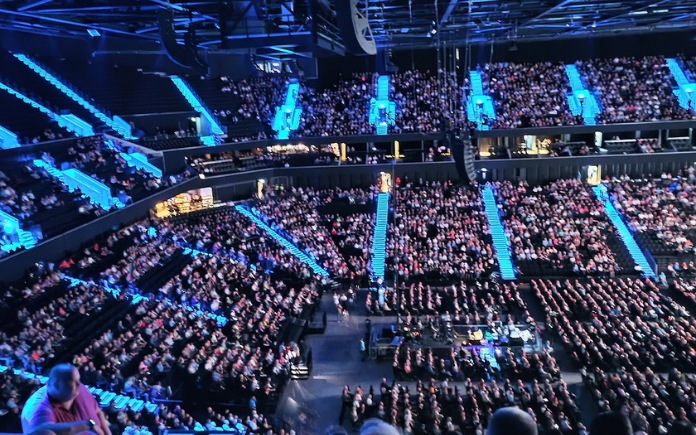
Elevating Live Music Venue Safety and Public Trust
A confident, visible medical presence improves guest experience and strengthens your venue’s commitment to safety. Our teams engage positively with attendees, provide reassurance, and deliver care with empathy and professionalism, creating a safer, more welcoming environment.
We work closely with venue managers, security teams, event coordinators, and promoters to ensure everyone is prepared and aligned through:
- Medical risk assessments
- Event safety planning
- Staff briefings and coordination
- Post-event medical reporting and compliance documentation
While medical teams are expertly trained to handle emergencies, a huge part of their role is preventative. This includes strategic planning like positioning large, well lit medical tents in high traffic areas for maximum visibility, constant communication with security about potential crowd surges or dangerous weather, and even encouraging hydration from the stage. By identifying and mitigating risks before they escalate, they stop many incidents from ever happening, creating a safer overall environment for everyone from the second the gates open.
Medical response at a major event is a multi layered operation. It's not just one central tent. The system typically includes roving teams of paramedics in the crowd for immediate response, satellite aid stations for minor issues like blisters or sunscreen, and a main Advanced Treatment Centre that functions as a field hospital. This tiered approach ensures that a sprained ankle doesn't clog up the critical care unit and that a life-threatening emergency gets the advanced resources it needs without delay, no matter where it occurs in the venue.
A fundamental principle of event medicine is that care is provided based on need, not cause. Whether an attendee is experiencing a diabetic emergency, a bad reaction to a substance, or an injury from a mosh pit, the medical response is the same. Professional, compassionate, and non-judgmental. Their primary role is to stabilise and help, not to punish or interrogate. This ethic is crucial for encouraging people who are in trouble or whose friends are in trouble to seek help without fear of reprisal, ultimately saving lives.